How to Tell If Thermal Paste on a Used PC Is Old
A listing photo will not tell you the month the paste went on. Temperatures, the cooler, and what the seller actually knows will.

You cannot look at a closed PC and name the day the thermal paste was applied. Paste does not come with a visible expiry stamp. What you can do is look for signs that the cooler is no longer doing its job, then decide if a cheap repaste is part of the deal.
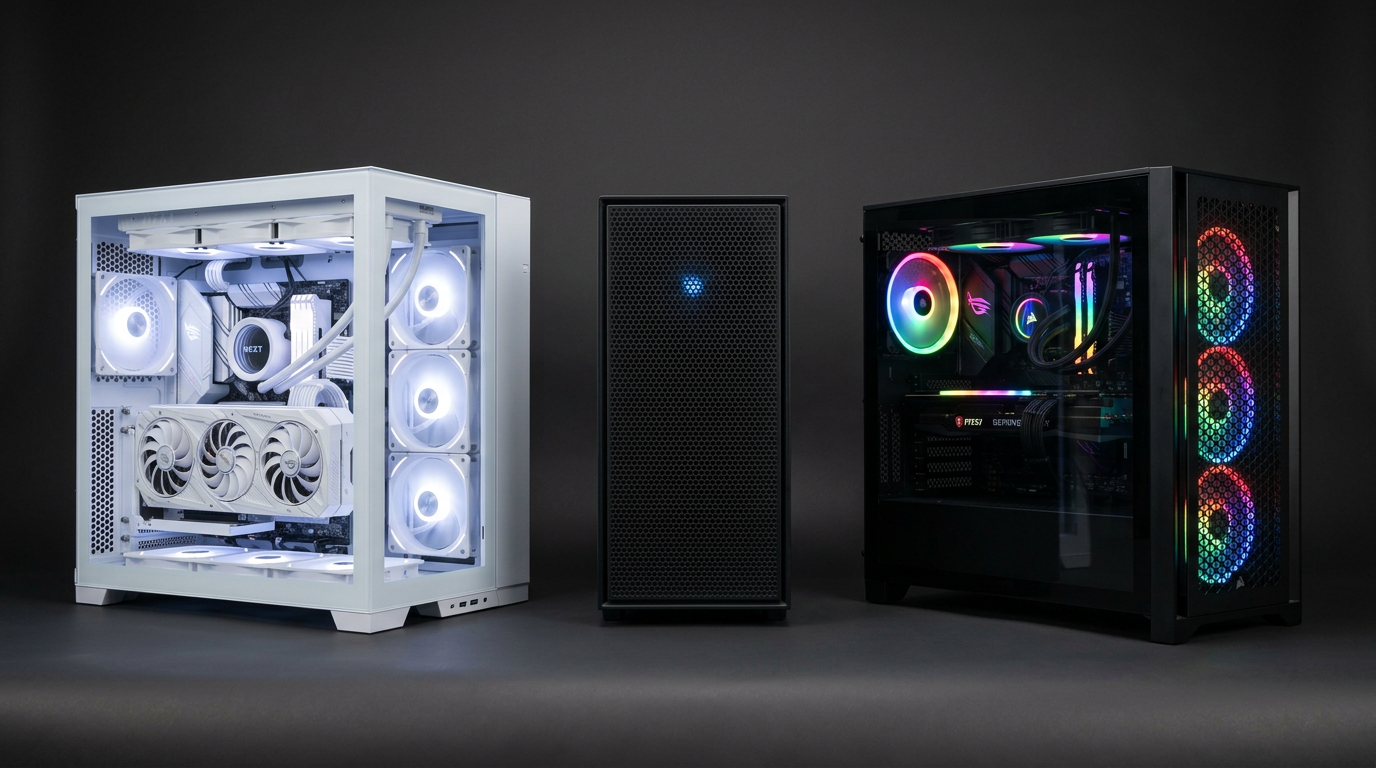
Can you date thermal paste from a photo?
No. A side photo of a tower does not show the paste. Even an interior photo usually shows the cooler, not the layer underneath it. "I think it was done last year" is a memory, not a measurement. Treat it as a clue and check temperatures.
If the seller has already pulled the cooler, dried paste looks chalky, cracked, or pushed out to the edges in a dry ring. Fresh paste still looks slightly wet and covers the whole heat spreader. Do not ask a stranger to pull a cooler at the door unless you are ready to repaste it yourself before it boots again.
What temperatures suggest the paste is tired?
Idle temperature is a weak test. A CPU can sit at a normal idle and then climb hard once a game starts. Run a normal game or a short stress test for 10 to 15 minutes with the fans audible and the case closed, the way you will actually use it.
Watch the CPU temperature and, if the tool shows it, the CPU package or hotspot. A fast climb into the mid-90s while the fans are clean is a reason to budget for new paste or a remount. Dust packed in the fins can cause the same climb, so clean the cooler before you blame the paste. Our notes on dust and paste and how to repaste cover the hands-on part.
What should you ask the seller?
Ask two plain questions: has the cooler been removed, and when was paste last replaced? "I don't know" is a normal answer on a used PC. It is not a scam by itself. "Never opened, bought in 2019" means you should assume the paste is original until a temperature test says otherwise.
Also ask if it shuts down in long sessions, if they have undervolted it to hide heat, and if the AIO pump still moves. A liquid cooler can fail even when the paste is fine. Pump noise, a cold radiator with a hot CPU, or a cooler that was shipped loose are separate problems.
Should old paste kill the purchase?
Usually no. A tube of paste and twenty careful minutes are cheaper than walking away from an otherwise good PC. Knock a little off the price if the seller will not test under load, the cooler is filthy, or they refuse to say whether the PC thermal-throttles.
Walk away if it shuts off during a short game, the cooler is cracked, or they will not let you see a temperature readout at all. Heat you cannot measure is a different problem from paste you can replace.
Frequently asked questions
Can you tell when thermal paste was last applied?
Not from the outside of the PC. You can only estimate from load temperatures, dust, whether the cooler has been removed, and what the seller remembers.
Does old thermal paste ruin a CPU?
Old paste usually means higher temperatures and lower boost clocks. It becomes urgent if the PC shuts down under load or the cooler is no longer making contact.
Should I repaste before I trust a used PC?
Test first with the case closed. If load temperatures are high and the fans are already clean, repaste. If temperatures are fine, leave a working cooler alone.
Is an all-in-one liquid cooler different?
Yes. A failed pump or a dried radiator can look like a paste problem. Check that the pump is running and that heat actually reaches the radiator.
Key takeaways
- Do not expect a photo to date the paste. Run a 10 to 15 minute load test.
- Clean dust before you decide the paste is the cause of high temperatures.
- A repaste is a small job. A cooler that shuts the PC off is a reason to walk away.
Buying used? Start with the inspection checklist, or look at PCs we have already tested.
Explore more